
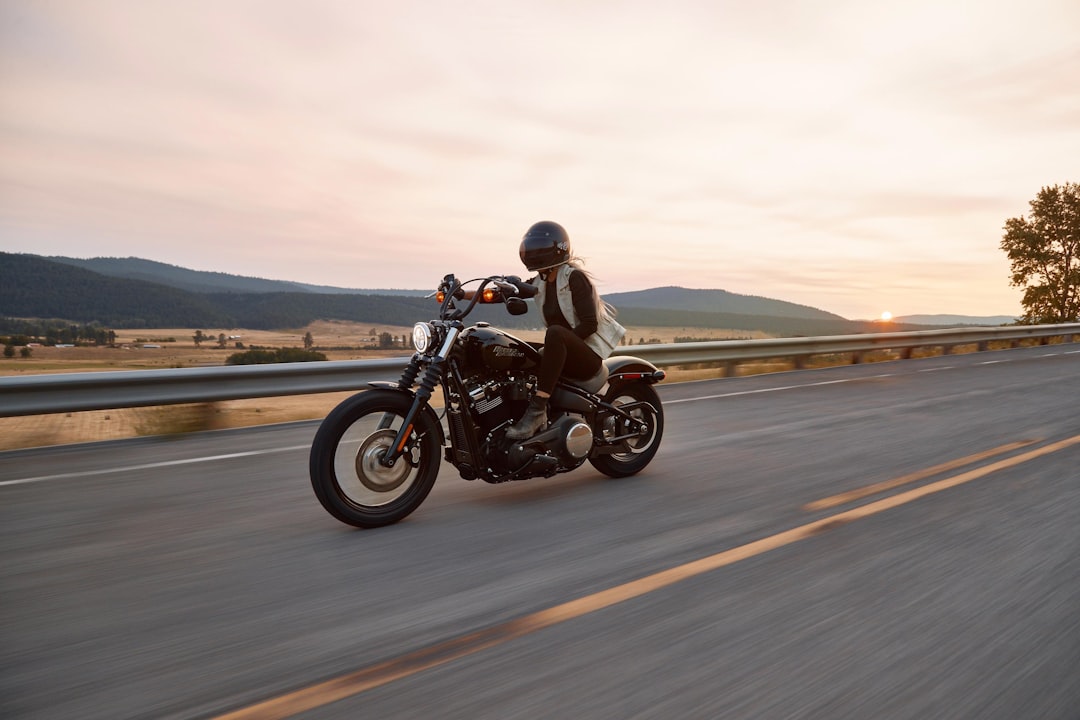
Riding a motorcycle offers unmatched freedom, but it also comes with real financial risks. A single accident can result in thousands of dollars in medical bills, property damage, and legal liability—costs that can devastate your finances without the right protection. Motorcycle insurance is legally required in nearly every U.S. state, yet many riders don't fully understand what their policy covers or how much they should be paying. This guide walks you through every coverage option available, what you can expect to pay in 2026, and proven strategies to keep your premium low without sacrificing protection.
Why You Need Motorcycle Insurance
Motorcycle riders face a disproportionately high risk on the road. According to the National Highway Traffic Safety Administration (NHTSA), motorcyclists are about 24 times more likely to die in a crash per mile traveled than passenger car occupants. That sobering statistic underscores why motorcycle insurance isn't optional—it's essential.
Beyond safety statistics, there are very practical financial and legal reasons to carry motorcycle insurance:
- Legal requirement: Every U.S. state except Florida requires some form of liability insurance to legally operate a motorcycle on public roads. Riding without it can result in fines, license suspension, or even jail time.
- Financial protection: If you cause an accident, you are personally liable for the other party's medical expenses and property damage. Without insurance, these costs come out of your pocket—and they can easily exceed six figures.
- Protecting your investment: Motorcycles range from a few thousand dollars to well over $30,000 for premium models. Comprehensive and collision coverage ensures your investment is protected against theft, vandalism, and crashes.
- Peace of mind: Knowing you're covered lets you focus on enjoying the ride, not worrying about worst-case scenarios.
Even if you're an experienced, defensive rider, you cannot control the actions of other drivers. Motorcycle insurance is the single most effective financial tool to protect yourself from the consequences of someone else's negligence.
Types of Motorcycle Insurance Coverage
Motorcycle insurance policies are made up of several distinct coverage types. You can mix and match these to build a policy that fits your needs and budget. Here's a breakdown of every major coverage option available to U.S. riders:
Liability Coverage
Liability is the foundation of any motorcycle policy and is required by law in most states. It has two components:
- Bodily injury liability: Pays for medical expenses, lost wages, and legal fees for other people injured in an accident you cause.
- Property damage liability: Covers damage you cause to someone else's vehicle, fence, building, or other property.
Collision Coverage
Collision coverage pays to repair or replace your motorcycle if it's damaged in a crash, regardless of who is at fault. This is especially valuable for newer or higher-value bikes. It comes with a deductible you choose—common amounts are $250, $500, or $1,000.
Comprehensive Coverage
Comprehensive coverage protects your bike from non-collision events, including theft, vandalism, fire, flood or weather damage, falling objects, and animal collisions. It's often bundled with collision as "full coverage."
Uninsured/Underinsured Motorist Coverage (UM/UIM)
This coverage steps in if you're hit by a driver with no insurance or not enough insurance to cover your damages. It's one of the most overlooked but critical protections for motorcyclists, as an uninsured driver could leave you with massive out-of-pocket medical costs.
Medical Payments (MedPay) and Personal Injury Protection (PIP)
MedPay covers your medical bills after an accident, regardless of fault. PIP is a broader version available in no-fault states and may also cover lost wages and rehabilitation costs. These coverages are especially valuable because health insurance may not always cover motorcycle accident injuries without a fight.
Accessory and Custom Parts Coverage
Standard policies often cap coverage for aftermarket parts and accessories—helmets, saddlebags, custom exhausts, GPS units—at a low sublimit. Accessory coverage extends protection to these add-ons, which can total thousands of dollars on a heavily customized bike.
Roadside Assistance
Roadside assistance pays for towing, fuel delivery, and lockout services if your bike breaks down away from home. Given that motorcycles can be more mechanically temperamental than cars, this affordable add-on is well worth considering for any rider who ventures far from home.
How Much Does Motorcycle Insurance Cost?
The cost of motorcycle insurance varies widely based on your personal profile, the type of bike you ride, and the coverage levels you choose. Here's a realistic look at what riders across the country are paying in 2026:
Average Annual Premiums by Bike Type
- Cruisers (e.g., Harley-Davidson Sportster): $300–$700/year
- Sport bikes (e.g., Kawasaki Ninja, Yamaha R6): $700–$1,500+/year
- Touring bikes (e.g., Honda Gold Wing): $400–$900/year
- Dirt bikes and off-road only: $100–$500/year
- Scooters and mopeds: $75–$300/year
Coverage Level Cost Comparison
- Liability only (state minimum): $200–$500/year — The most affordable option but leaves you exposed to significant out-of-pocket costs if your bike is damaged or stolen.
- Standard coverage (liability + collision + comprehensive): $500–$1,200/year — A well-rounded policy for most everyday riders.
- Full coverage with extras: $900–$2,000+/year — Includes UM/UIM, MedPay, accessory coverage, and roadside assistance.
Monthly Premium Estimates
On a monthly basis, most riders pay between $20 and $125 per month, with the average falling around $50–$75/month for standard coverage on a cruiser or mid-range bike. Sport bike riders typically pay significantly more due to the higher risk profile of these machines, and riders under 25 can expect rates on the high end regardless of bike type.
Remember these are national averages—your actual quote will depend on personal risk factors like age, location, riding history, and the specific coverage limits you select. Always get at least three quotes before committing to a policy.
Factors That Affect Your Motorcycle Insurance Rate
Insurance companies use dozens of variables to calculate your premium. Understanding these factors helps you see why your rate is what it is—and what you might be able to change to bring it down.
Rider Age and Experience
Young and inexperienced riders pay the highest premiums. Riders under 25—especially those new to motorcycles—can pay two to three times more than a 40-year-old with 15 years of clean riding history. The logic is simple: newer riders make more mistakes. Most insurers reward riders who complete a Motorcycle Safety Foundation (MSF) course with a 5–15% discount.
Type and Value of the Motorcycle
High-performance sport bikes are statistically involved in more accidents and cost more to repair, which is why they carry higher premiums. A stock cruiser will almost always be cheaper to insure than a high-horsepower sport bike, even if both have similar market values. Bike age also matters—newer bikes with higher replacement costs cost more to insure under comprehensive and collision coverage.
Riding History and Claims Record
Just like car insurance, at-fault accidents and traffic violations on your record raise your premium significantly. A DUI or DWI conviction can make motorcycle insurance extremely expensive—or cause some insurers to decline coverage entirely. Most violations affect your rate for three to five years.
Geographic Location
Where you live and store your bike matters. Urban riders typically pay more than rural riders due to higher traffic density, theft rates, and accident frequency. States with longer riding seasons may also have slightly different pricing dynamics than states with harsh winters that limit riding months.
Annual Mileage
Riders who log fewer miles per year are considered lower risk. If you only ride on weekends or seasonally, accurately reporting your annual mileage to your insurer can unlock a low-mileage discount of 5–10%.
Coverage Levels and Deductibles
Higher coverage limits mean higher premiums. Conversely, raising your deductible lowers your premium. Just make sure you can comfortably pay your chosen deductible if you need to file a claim.
Credit Score
In most U.S. states, insurers use a credit-based insurance score as a rating factor. Maintaining good credit can meaningfully lower your motorcycle insurance cost over time. A handful of states, including California, Hawaii, and Massachusetts, prohibit the use of credit scores in insurance pricing.
Choosing the Right Coverage for Your Ride
Selecting the right motorcycle insurance coverage comes down to balancing your financial situation, your risk tolerance, and the value of your bike. Here's a practical step-by-step framework to help you decide:
Step 1: Know Your State's Minimum Requirements
Start with your state's legally required minimums, which typically include bodily injury and property damage liability. These minimums vary significantly by state. For example, California requires 15/30/5 limits (in thousands), while Texas requires 30/60/25. You can find your state's minimums on your DMV website or by speaking with a licensed insurance agent.
Step 2: Evaluate Your Bike's Current Market Value
If your motorcycle is worth less than $3,000, paying for comprehensive and collision coverage may not be cost-effective. A commonly cited rule of thumb: if your annual combined premium for collision and comprehensive exceeds 10% of your bike's current market value, consider dropping those coverages and self-insuring for physical damage. Use resources like Kelley Blue Book's motorcycle valuation tool to get an accurate estimate.
Step 3: Honestly Assess Your Personal Financial Risk
Ask yourself: if you were at fault in a serious accident that caused $200,000 in injuries to another person, could you personally absorb that cost? If not, purchase liability coverage well above state minimums. Most insurance professionals recommend at least 100/300/100 limits for serious riders, which translates to $100,000 per person, $300,000 per accident for bodily injury, and $100,000 for property damage.
Step 4: Think About How and Where You Ride
If you tour long distances, roadside assistance is a smart investment. If you've added premium accessories to your bike, add accessory coverage. If you live in a state with high rates of uninsured drivers—like Mississippi, New Mexico, or Tennessee—UM/UIM coverage is non-negotiable.
Step 5: Compare Multiple Quotes Before Committing
Never settle for the first quote you receive. Rates for identical coverage can vary by 40% or more between insurers. Tools like CoverageFixPro make it easy to compare motorcycle insurance quotes side by side so you can identify the best value for your specific rider profile and bike type.
Tips to Lower Your Motorcycle Insurance Premium
Motorcycle insurance doesn't have to break the bank. Here are proven, actionable strategies to reduce what you pay each year without cutting corners on the protection you need:
- Complete an MSF safety course: Finishing a Motorcycle Safety Foundation or state-approved safety course typically earns you a 5–15% discount with most major insurers. It's one of the fastest and most reliable ways to lower your rate, and the course itself only takes a weekend.
- Raise your deductible: Increasing your deductible from $250 to $1,000 can reduce your collision and comprehensive premium by 15–30%. Just confirm you have that amount in savings before making this change.
- Store your bike securely: Parking your motorcycle in a locked garage rather than on the street reduces theft risk and can qualify you for a lower rate. Some insurers also offer discounts for anti-theft devices such as disc locks, chain locks, and GPS tracking systems.
- Accurately report your annual mileage: If you ride seasonally or infrequently, report your estimated annual miles accurately. Low-mileage riders often qualify for premium discounts of 5–10% that many people leave on the table.
- Maintain a spotless riding record: Avoiding at-fault accidents and traffic violations keeps your record clean and prevents costly surcharges. Even a single at-fault accident can raise your rate by 20–40% for three to five years.
- Ask about every available discount: Discounts vary by insurer but may include loyalty discounts for long-term customers, good student discounts for riders under 25 with strong GPAs, military and veteran discounts, and discounts for members of rider associations like the American Motorcyclist Association (AMA).
- Shop your coverage every policy renewal: Your circumstances change, and so do insurer pricing models. Re-shopping annually—especially after positive changes like aging into a lower-risk bracket or moving to a lower-crime area—can unlock significantly lower rates.
- Consider a seasonal or lay-up policy: If you live in a cold-weather state and store your bike during winter, ask your insurer about a lay-up endorsement that suspends collision and liability coverage during off months while keeping comprehensive active. This can trim 20–30% off your annual bill.
What Motorcycle Insurance Doesn't Cover
Just as important as knowing what your policy covers is understanding its exclusions. Being caught off guard by a coverage gap at claim time can be financially and emotionally devastating. Here are the most common exclusions found in standard motorcycle insurance policies:
Mechanical Breakdown and Normal Wear
Standard motorcycle insurance does not cover normal mechanical failures, engine wear, or breakdowns resulting from lack of maintenance. If your engine seizes due to neglect or simply wears out over time, you'll pay for repairs yourself. For this type of protection, look into a motorcycle extended warranty or service contract, which is sold separately.
Racing and Track Events
Using your motorcycle on a racetrack—even for a casual one-day track event—is almost universally excluded from standard personal policies. If your bike is damaged during any form of organized racing or timed event, your insurer will deny the claim. Specialty track-day insurance policies are available and relatively affordable for occasional track riders.
Intentional Damage
Any damage you intentionally cause to your own property or another person's property is never covered. Claims arising from criminal activity are also excluded.
Riding Without a Valid Motorcycle Endorsement
If you are involved in an accident while riding without a valid motorcycle endorsement on your driver's license, your insurer may deny your claim entirely—even if you were not at fault. Always ride legally and keep your endorsement current.
Commercial or Delivery Use
If you use your motorcycle for commercial purposes—such as rideshare, food delivery, or courier services—a personal motorcycle policy will not cover incidents that occur during business use. You'll need a commercial motorcycle endorsement or a separate business-use policy to fill that gap.
Unlisted Custom Parts and Accessories
Many riders install aftermarket parts that significantly increase a bike's value. Unless you've added a specific accessory coverage endorsement that lists these items, they may only be covered up to a low default sublimit—often just $3,000—leaving thousands of dollars in upgrades unprotected.
How to File a Motorcycle Insurance Claim
If you're involved in an accident or experience a covered loss, knowing how to file a claim quickly and correctly can make a major difference in the outcome. Follow these steps to protect your rights and maximize your settlement:
- Ensure safety first: Move yourself and your bike to a safe location if possible, and call 911 immediately if anyone is injured. Always request a police report—even for minor accidents. Insurers frequently require an official report to process a claim, and it protects you if the other party later disputes the facts.
- Document the scene thoroughly: Take detailed photos and video of all vehicles involved, road conditions, visible damage, skid marks, traffic signals, and any injuries. The more evidence you capture at the scene, the stronger your claim will be.
- Exchange information: Collect the name, address, phone number, driver's license number, license plate, and insurance information from all other parties involved. If there were witnesses, get their contact information too—independent witness statements can be critical if liability is disputed.
- Notify your insurer promptly: Contact your insurance company as soon as possible. Most policies require you to report claims within a specific window—often 24 to 72 hours. Use your insurer's mobile app or 24-hour claims hotline to open your claim right away.
- Cooperate with the adjuster: An insurance adjuster will be assigned to evaluate your claim, assess the damage, and determine the payout. Be honest and cooperative, but keep detailed records of every conversation, email, and document you submit.
- Get a repair estimate: Your insurer may direct you to an approved repair shop or allow you to choose your own. Get at least one independent estimate so you understand the full scope of damage and can spot any discrepancies with the insurer's assessment.
- Understand your deductible: Remember that your deductible is subtracted from your claim payout. If repairs cost $2,500 and your deductible is $500, you'll receive $2,000 from the insurer.
- Appeal if the offer is unfair: If you believe the insurer's settlement offer is too low, you have the right to appeal. You can also hire a public adjuster or an attorney who specializes in insurance disputes to negotiate a better outcome on your behalf.
For a deeper dive into navigating the claims process across all insurance types, see our complete guide on how to file an insurance claim.