
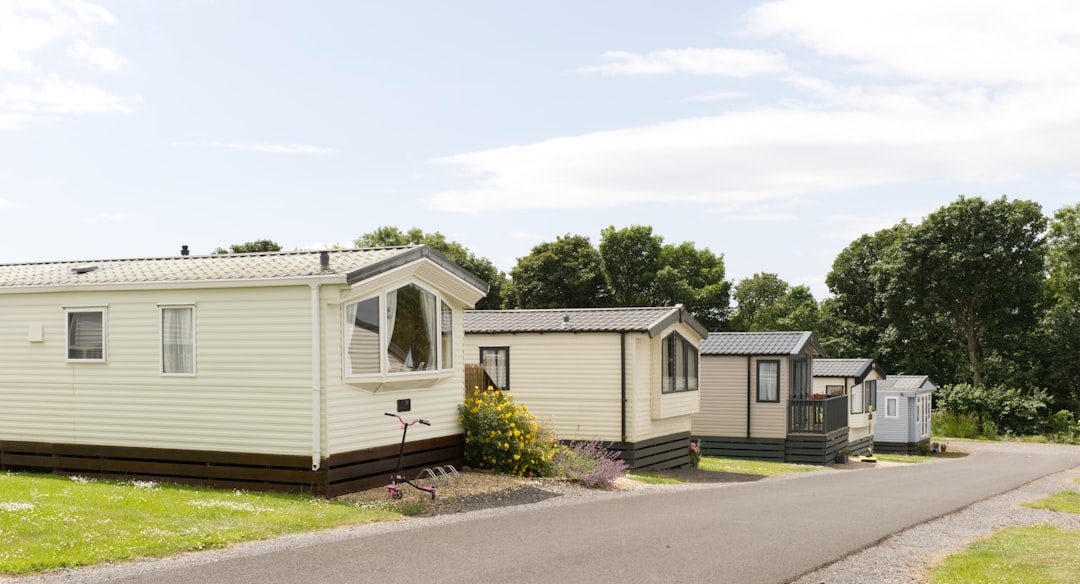
If you live in a manufactured or mobile home, you might assume your homeowners insurance covers you the same way as a traditional house. The truth is, mobile home insurance is a specialized product designed to address unique risks. Without the right policy, you could face major out-of-pocket costs after a storm, theft, or accident. This guide walks you through coverage options, exclusions, and smart ways to save — so you can protect your home and budget. Whether you're a new owner or reviewing your policy, you'll find actionable advice here.
Understand the difference between mobile and standard home insurance
Know the coverage types: actual cash value vs. replacement cost
Learn about common exclusions like flood and earthquake
How to read this guide quickly
Use the checklist below to understand what coverage does, where exclusions matter, and which cost factors deserve a closer look.
Use CoverageFixPro to estimate costs and compare coverage options before you talk to an insurer.
What Is Mobile Home Insurance?
Mobile home insurance provides financial protection for manufactured homes against perils like fire, wind, hail, theft, and liability. Unlike standard homeowners insurance, policies are tailored for homes built in factories and transported to a site. Coverage often includes the structure, personal property, and additional living expenses if your home becomes uninhabitable. Many insurers offer specialized policies that account for the home's construction, anchoring systems, and age.
Because mobile homes can be more vulnerable to certain risks — such as wind damage or foundation issues — insurance companies assess them differently. Policies are often written on an actual cash value (ACV) basis, meaning depreciation is factored into payouts. However, replacement cost coverage is available for an extra premium. Understanding these nuances helps you choose the right level of protection.
Why Mobile Home Insurance Is Different
Standard homeowners insurance is designed for stick-built homes on permanent foundations. Mobile homes, however, are built in sections and transported, making them more susceptible to certain types of damage. For example, if your home wasn't properly tied down during installation, high winds can cause it to shift or overturn. Insurance companies factor in HUD building codes, roof type, and how the home is anchored.
Additionally, many standard policies exclude coverage for homes that are not on a permanent foundation or that have been moved after initial installation. Mobile home policies often include coverage for transporting the home and for skirting, steps, and other attachments. Pro Tip: Always verify that your policy covers the home's full structural components, including awnings, carports, and ramps.
Coverage Types Explained
Mobile home insurance typically includes several coverage parts:
- Dwelling Coverage – Protects the home structure, including attached structures like decks and garages.
- Other Structures – Covers detached sheds, fences, or guest houses.
- Personal Property – Reimburses you for belongings like furniture, electronics, and clothing, either at actual cash value or replacement cost.
- Loss of Use – Pays for extra living expenses if you can't stay in your home due to a covered loss.
- Liability – Covers legal expenses if someone is injured on your property.
- Medical Payments – Pays minor medical bills for guests injured on your property, regardless of fault.
Common Exclusions and Endorsements
Standard mobile home policies exclude certain perils, so you may need additional endorsements or separate policies. Common exclusions include:
- Flood – Requires a separate flood insurance policy through the NFIP or private insurer.
- Earthquake – Usually not covered; earthquake endorsement available in high-risk areas.
- Mold, rot, or insects – Typically excluded unless caused by a covered peril.
- Wear and tear – Normal aging or maintenance issues are not covered.
- Intentional damage – Acts by you or your family members are excluded.
To fill coverage gaps, ask your agent about endorsements for sewer backup, replacement cost on personal property, and ordinance or law coverage (which pays to bring your home up to code after a loss). Review your policy annually to ensure it reflects your home's current value and any improvements.
How Much Does Mobile Home Insurance Cost?
The average cost of mobile home insurance ranges from $300 to $1,500 per year, depending on your location, home age, coverage limits, and deductible. Factors that influence premiums include:
- Home age and condition – Older homes may cost more to insure because of outdated wiring, plumbing, or roofs.
- Location – Homes in areas prone to severe weather (hurricanes, tornadoes, wildfires) face higher rates.
- Coverage type – Replacement cost policies are more expensive than actual cash value.
- Deductible – Choosing a higher deductible lowers your annual premium.
- Discounts – Bundling, claims-free history, and security features can reduce costs.
To get an accurate estimate, gather details about your home (age, size, materials, safety features) and compare quotes from multiple insurers. Online tools make this easy — try the quote engine at CoverageFixPro.com to see rates side by side.
Money-Saving Tips
Lowering your mobile home insurance premium doesn't have to mean sacrificing coverage. Here are proven strategies:
- Bundle policies – Combining your mobile home and auto insurance with the same company often saves 10–25%.
- Increase your deductible – Raising your deductible from $500 to $1,000 could reduce your premium by up to 20%.
- Improve home safety – Install smoke detectors, deadbolt locks, and a security system. Some insurers offer discounts for these.
- Maintain good credit – In most states, credit-based insurance scores affect rates. Pay bills on time and keep balances low.
- Ask about loyalty discounts – If you've been with an insurer for several years, you may qualify for a discount.
Always review your policy at renewal and shop around every two years. Market conditions change, and you might find a better deal. Use CoverageFixPro to easily compare quotes without damaging your credit.
How to Buy Mobile Home Insurance
Follow these steps to secure the right policy for your manufactured home.
- Inventory your home – Document the structure, systems, and belongings. Estimate replacement costs if possible.
- Research insurers – Look for companies that specialize in mobile home insurance, such as Foremost, American Modern, or national carriers with mobile home products.
- Compare quotes – Get at least three quotes online or through an independent agent. Enter the same coverage levels to compare apples to apples.
- Check financial stability – Verify the insurer's financial strength rating from A.M. Best or Standard & Poor's.
- Read the fine print – Review exclusions, deductibles, and limit of liability. Ask about replacement cost vs. ACV.
- Buy and review annually – Once you choose a policy, set a calendar reminder to review coverage each year as your home's value changes.
For a hassle-free comparison, use CoverageFixPro to enter your details once and receive multiple quotes. It's fast and free.