
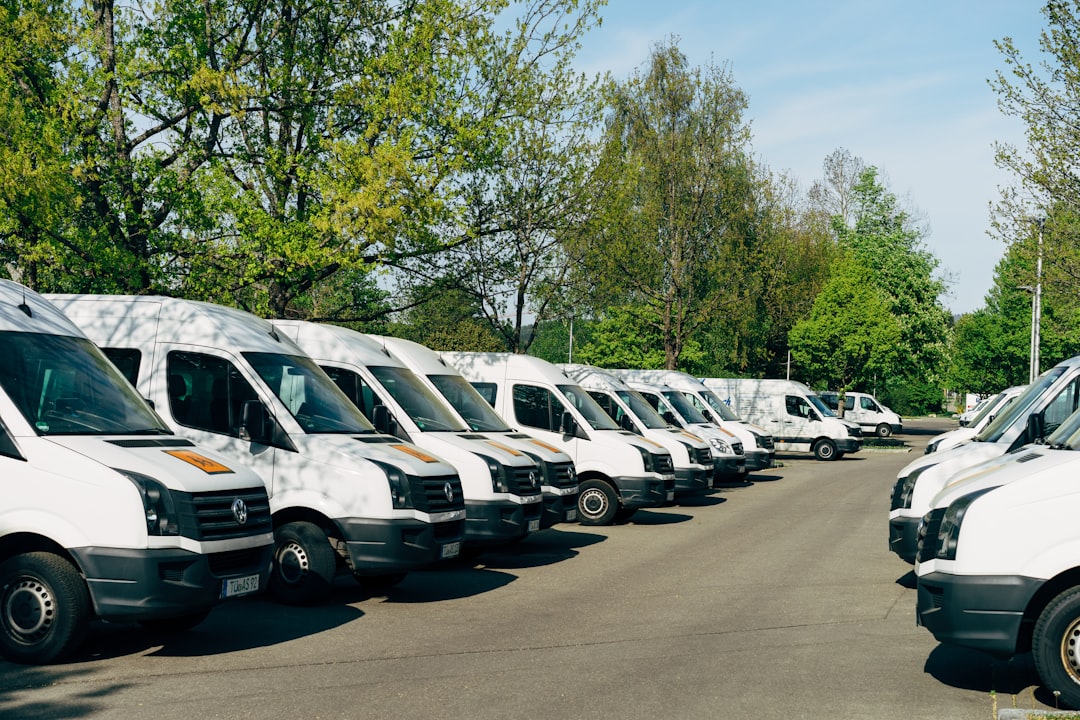
If your business uses vehicles for any purpose—delivering goods, transporting equipment, or meeting clients—you need commercial auto insurance. Personal auto policies almost always exclude business use, leaving you exposed to major financial losses. A single accident could cost thousands in repairs, medical bills, and legal fees. This complete guide explains everything you need to know about commercial auto insurance: what it covers, who needs it, how premiums are calculated, and practical ways to save. By the end, you'll have the knowledge to choose the right protection for your business.
What Is Commercial Auto Insurance?
Commercial auto insurance is a policy designed specifically for vehicles used for business purposes. Unlike personal car insurance, it covers higher liability limits, different types of vehicles (trucks, vans, trailers), and additional exposures like employees driving your vehicles. It also protects your business if an employee uses a personal car for work errands (non-owned auto liability).
A standard commercial auto policy includes several coverage types: liability for bodily injury and property damage to others, collision for damage to your vehicle, comprehensive for theft or vandalism, medical payments, and uninsured/underinsured motorist coverage. You can also add endorsements like hired auto coverage and cargo insurance. Because business vehicles are on the road more often and carry higher risk, commercial policies cost more than personal ones—but the protection they offer is essential.
Who Needs Commercial Auto Insurance?
You likely need commercial auto insurance if you or your employees drive for work in any capacity. Common examples include:
- Delivery drivers (food, packages, goods)
- Contractors (plumbers, electricians, painters) carrying tools or materials
- Sales representatives traveling to client meetings
- Businesses with company‑owned cars, trucks, or vans
- Ride‑share drivers (if not covered by personal policy)
- Non‑profit organizations using vehicles for operations
Even if you only drive your personal car occasionally for work—like picking up supplies or visiting a client—you may not be covered by your personal auto insurance. Many personal policies exclude “business use,” and a claim could be denied. If your business owns or leases vehicles, commercial auto insurance is legally required in most states, just like personal auto insurance. To be safe, assume you need it if any vehicle is used at all for business activities.
Typical Coverages in a Commercial Auto Policy
A commercial auto policy is modular, so you can pick the coverages your business needs. Here are the most common ones:
Liability Coverage
Pays for bodily injury and property damage you cause to others. Limits are usually written as a combined single limit (e.g., $1 million) or split limits (e.g., $500,000/$1 million/$500,000).
Collision and Comprehensive
Collision covers damage to your vehicle from a crash; comprehensive covers theft, fire, vandalism, and weather events. These are typically required if you have a loan or lease.
Medical Payments or Personal Injury Protection
Pays for medical expenses for you and your passengers, regardless of fault.
Uninsured/Underinsured Motorist
Protects you if you're hit by a driver with insufficient or no insurance.
Cargo Insurance
Covers the goods you're transporting (optional, often needed for delivery businesses).
Hired and Non‑Owned Auto
See dedicated section below. This fills critical gaps for vehicles you rent or employees use personally for work.
What Factors Influence Your Premium?
Insurance companies use many factors to set your commercial auto premium. Understanding them can help you control costs. Key factors include:
- Vehicle type and usage: Heavy trucks cost more to insure than small vans. Higher mileage and riskier cargo increase rates.
- Driving records: The records of all drivers on the policy matter. Accidents and tickets raise premiums.
- Business industry: Delivery services, construction, and towing are considered high‑risk. Consultancies have lower rates.
- Location: Urban areas with more traffic and theft drive up premiums.
- Coverage limits and deductibles: Higher limits and lower deductibles mean higher premiums.
- Claims history: A history of claims increases your rate. Implementing safety programs can lower risk over time.
- Credit score: Many insurers use personal or business credit history as a rating factor (where allowed by law).
Review these factors annually with your agent. Small changes—like adding a defensive driving course—can sometimes reduce your premium.
How to Save Money on Commercial Auto Insurance
Commercial auto insurance is necessary, but there are legitimate ways to reduce your premiums without sacrificing protection:
- Shop around annually. Rates vary widely between insurers. Compare quotes from multiple companies or use an independent agent. You can start by getting free quotes at CoverageFixPro.com.
- Bundle policies. If you have general liability, workers' comp, or BOP insurance with the same carrier, ask about a multi‑policy discount.
- Raise deductibles. Increasing your collision and comprehensive deductibles to $1,000 or $2,500 can lower your premium significantly. Just make sure you can afford the deductible if you need to file a claim.
- Implement a driver safety program. Train employees on safe driving, run periodic MVR checks, and use telematics (GPS tracking) to monitor behavior. Many insurers offer discounts for telematics.
- Pay annually. Paying your premium in one lump sum often avoids installment fees and may qualify for a discount.
- Limit who drives. Only list drivers who regularly use the vehicles. Occasional users should be excluded if possible.
Hired and Non‑Owned Auto Coverage Explained
Hired and non‑owned auto (HNOA) coverage is a critical endorsement that many small business owners overlook. It protects your business in two situations:
- Hired auto: When you rent or lease a vehicle for business use (e.g., a rental car for a business trip). Without this coverage, you'd rely on the rental company's insurance or your personal policy—which may not apply to business use.
- Non‑owned auto: When an employee uses their personal vehicle for work errands (picking up supplies, delivering orders, etc.). Your commercial policy's liability extends to accidents that occur while the employee is on business time.
HNOA is usually inexpensive—often just a few hundred dollars per year—but it can save your business from devastating liability. If an employee causes a serious accident while driving their own car for work, the claim could exceed their personal limits, and your business could be sued. HNOA steps in to cover the gap. Most agents recommend adding this coverage even if you don't own any business vehicles.
Filing a Commercial Auto Insurance Claim
If you're involved in an accident with a commercial vehicle, follow these steps to ensure a smooth claims process:
- Ensure safety first. Check for injuries and call 911 if needed. Move vehicles out of traffic if possible.
- Document the scene. Take photos and videos of all vehicles, damages, road conditions, and any injuries. Exchange insurance and contact information with the other driver(s).
- Report the accident to your insurer immediately. Delaying a claim can complicate the process. Have your policy number, vehicle details, and a description of the incident ready.
- Cooperate with the adjuster. Provide all requested documents, including the police report, repair estimates, and medical bills (if any).
- Keep your employees informed. If an employee was driving, instruct them not to admit fault or discuss details with anyone except the insurance company and the police.
- Review the settlement offer. Once the adjuster evaluates the damage, they will offer a settlement. If you feel it's too low, you can negotiate or get an independent appraisal.
To learn more about the general claims process, read our article How to File an Insurance Claim.
Choosing the Right Policy for Your Business
Selecting the right commercial auto policy takes careful consideration. Start by assessing your business's specific needs: How many vehicles? What types? How many drivers? What's the primary use (delivery, service, transport)? Then follow these steps:
- Work with an independent agent. Independent agents represent multiple insurers and can compare policies to find the best coverage at the best price.
- Get quotes from at least three companies. Don't just look at price—compare coverage limits, deductibles, and exclusions.
- Check financial ratings. Use A.M. Best or Standard & Poor's to ensure the insurer can pay claims.
- Read the fine print. Understand what is and isn't covered. Pay attention to the “business use” definition and any territorial restrictions.
- Consider umbrella insurance. If your vehicles are high‑risk or you want extra liability protection, a commercial umbrella policy can provide additional limits above your auto liability.
Finally, revisit your coverage annually. As your business grows—adding vehicles, hiring drivers, or expanding services—your insurance needs will change. Stay proactive to avoid gaps.