
Insurance and personal finance are deeply intertwined — the right policy is meaningless if your savings are a mess, and the world's best budget falls apart the first time an uncovered hospital bill, a totaled car, or a disability claim hits. The fastest way to get smarter on both fronts isn't a weekend webinar or a TikTok video. It's a small, carefully chosen stack of books that you actually finish.
Our editorial team spent the past six months re-reading, comparing, and arguing about every popular personal finance and insurance book in print. The list below is what survived. Every one of these eight titles has earned its place because it genuinely changes how readers think about money, risk, and coverage — and because it has held up over multiple editions and economic cycles.
Whether you're a first-time renter buying your first auto policy, a new parent trying to figure out term life insurance, or an experienced earner finally getting serious about long-term wealth, there is at least one book on this list that will pay for itself many times over. We've ordered them roughly from "best starting point" to "most advanced," but you can dive in anywhere.
How We Picked These Books
We weighed three things heavily. First: insurance literacy. Books that cover risk transfer, deductibles, term vs. whole life, health plans, and home/auto coverage in plain English scored highest. Second: financial fundamentals. Insurance never lives in isolation — emergency funds, debt payoff, and investing decisions all interact with the coverage you choose. Third: track record. We favored books with multiple editions, strong long-term Amazon ratings (4.5 stars or higher across thousands of reviews), and recommendations that have aged well.
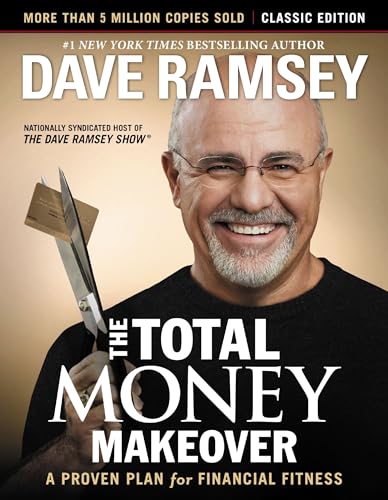
The Total Money Makeover
Ramsey's "Baby Steps" framework is the single most-used personal finance plan in America for a reason — it works for people who feel hopeless about debt. The book devotes a full chapter to insurance ("Save $5,000 a Year… and Don't Buy What Insurance Salespeople Sell"), pushing readers toward term life over whole life, high-deductible health plans paired with HSAs, and umbrella liability coverage. It's blunt, motivating, and a perfect first book if money still feels overwhelming.
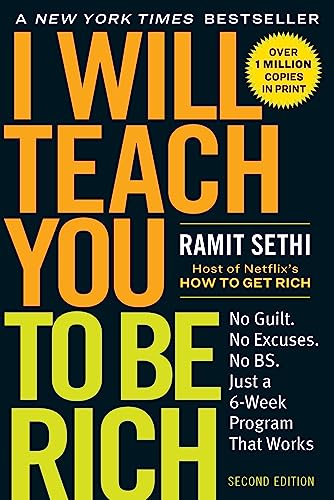
I Will Teach You to Be Rich (2nd Edition)
Sethi's six-week program is the modern answer to "I know I should be doing something with my money, but where do I even start?" His chapter on insurance and big-ticket purchases pushes readers to right-size renters, auto, and term life policies rather than overbuying. The conscious-spending plan is the best framework we've seen for spending guilt-free on what you love while still covering the essentials, including insurance premiums and emergency reserves.
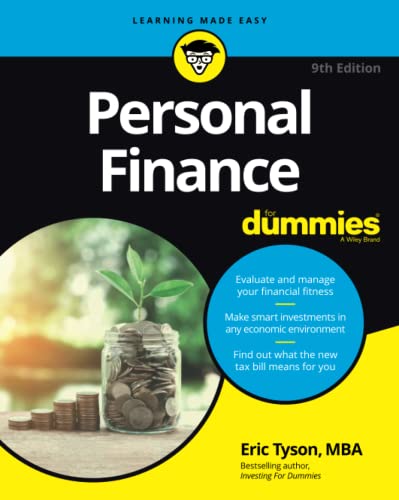
Personal Finance For Dummies
If you only buy one reference book to keep on the shelf, make it this one. Tyson — a former financial planner — dedicates entire sections to auto, home, health, life, and disability insurance, explaining what each policy actually does, which add-ons to skip, and how to shop without getting upsold. The latest edition covers HSAs, marketplace health plans, and modern term life shopping in plain English. It's the book we recommend most often to readers who want a single trustworthy overview.
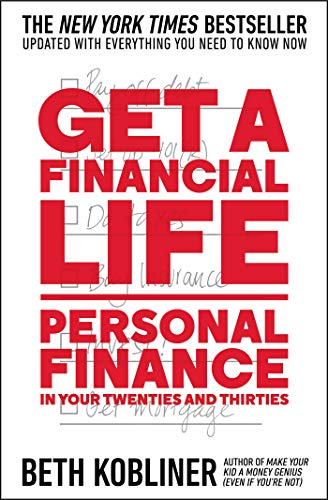
Get a Financial Life: Personal Finance in Your Twenties and Thirties
Kobliner — a former Money magazine staff writer — wrote the book we wish every college graduate received with their diploma. Her insurance chapter is unusually practical, walking through exactly which coverages a 25-year-old renter actually needs (and which to skip), how to evaluate an employer health plan, and when to add disability coverage. The book has been continuously updated for three decades and remains one of the clearest, calmest financial primers in print.
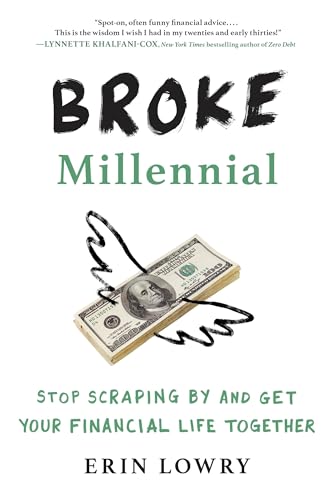
Broke Millennial: Stop Scraping By and Get Your Financial Life Together
Lowry writes the way a smart friend would explain money over coffee — warm, funny, and refreshingly free of jargon. The book walks readers through their first apartment lease, first credit card, first auto policy, and first employer benefits enrollment, with a strong push to actually read your health insurance summary of benefits. If you've bounced off other personal finance books, this is the one that finally sticks.
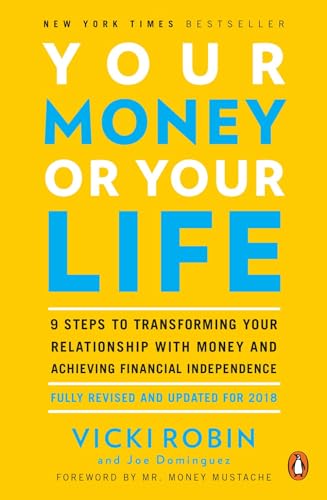
Your Money or Your Life
This is the book that quietly launched the modern FIRE (financial independence) movement. Robin's nine-step program forces you to calculate your true hourly wage and evaluate every expense — including insurance premiums — in terms of "life energy" spent. It's the rare book that genuinely changes how readers think about overinsuring (or underinsuring) themselves. Decades after first publication, it's still recommended by financial planners across the spectrum.
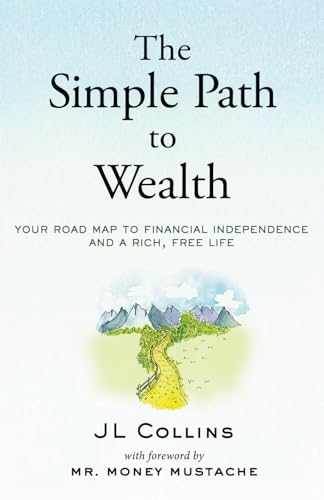
The Simple Path to Wealth
Originally written as letters to Collins' daughter, this book argues for an almost embarrassingly simple investing strategy: low-cost index funds, held forever. Collins also makes a sharp case for self-insuring against minor risks (raising deductibles to lower premiums) while protecting aggressively against catastrophic ones — exactly the philosophy most insurance professionals quietly recommend. If you're ready to move past budgeting and start building real wealth, start here.
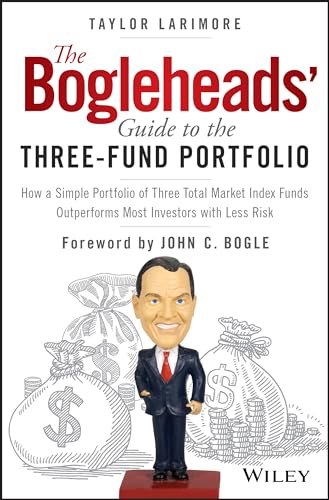
The Bogleheads' Guide to Investing
Written by leaders of the Bogleheads community inspired by Vanguard founder Jack Bogle, this is the most respected DIY-investor manual in print. What sets it apart from competitors is its dedicated chapters on protecting your wealth — including life insurance (with a clear case against most whole life policies), disability coverage, umbrella liability, and long-term care planning. It's a thorough, no-nonsense guide for readers ready to manage their own financial future.
How to Get the Most Out of These Books
Don't try to read all eight at once. Pick the one that matches where you are right now. If you're drowning in debt, start with The Total Money Makeover. If you're 25 and just want a smart system, start with I Will Teach You to Be Rich. If you want one shelf-reference forever, pick Personal Finance For Dummies. Then schedule the next book six to twelve weeks out — actually finishing one book consistently beats half-reading three.
As you read, do two things every chapter. First, jot down one specific action — call your auto insurer for a quote comparison, increase your 401(k) contribution by 1%, get a term life quote, raise your deductible from $500 to $1,000. Second, check whether your current insurance policies still match the advice you're reading. Coverage that made sense five years ago — when you were single, renting, and childless — almost certainly doesn't match your life today.
The Bottom Line
The best insurance policy in the world won't save you if your finances are chaotic, and the world's best budget won't save you from a single uninsured catastrophe. The eight books above cover both halves of that equation. Pick one, finish it, take action, then pick the next. Your future self — and your insurance agent — will thank you.